¿Qué le pareció este contenido?
- Aprender
- Demuéstrelo, parte 1: por qué “probablemente correcto” no es suficiente para su startup de IA
Demuéstrelo, parte 1: por qué “probablemente correcto” no es suficiente para su startup de IA

Las startups que triunfen en la era de la IA no se definirán por los modelos más avanzados ni por los conjuntos de datos de entrenamiento más grandes, sino por la confianza. El factor diferenciador clave es si los usuarios confían en ellas y si pueden responder a la pregunta “¿qué ocurre cuando su IA se equivoca?” con certeza matemática y no solo con una garantía probabilística. En mercados regulados, la verificación está adquiriendo más importancia que la capacidad del modelo por sí sola.

Acaba de cerrar una ronda semilla. Su asistente de préstamos basado en IA se puso en marcha la semana pasada con 200 usuarios beta. Al tercer día, un cliente hace una captura de pantalla de su chatbot diciendo que cumple los requisitos para una hipoteca convencional con un 8 % de entrada. La publica en redes sociales. Su política exige un 20 %.
Su cofundador lo ve primero. Su inversor lo ve después. Su asesor jurídico lo ve en tercer lugar.
Esto no es hipotético. Es la realidad cotidiana de crear productos de IA en 2026. Equipos de tres personas están lanzando productos que hace dos años habrían requerido cincuenta ingenieros, pasando de una idea a un MVP en días y no en meses.
Pero la velocidad sin verificación es un riesgo. La IA generativa ha hecho que sea trivial y peligroso lanzar algo que alucina, contradice sus propias políticas o da respuestas demostrablemente incorrectas a sus clientes. La diferencia entre “lo lanzamos” y “lanzamos algo confiable” es donde fracasan las startups.
La causa raíz es estructural. Los modelos de lenguaje de gran tamaño son sistemas estocásticos. Generan texto mediante la predicción del siguiente token probable. Este proceso incorpora aleatoriedad por diseño: la temperatura, las estrategias de muestreo y los parámetros top-k/top-p introducen variabilidad. La misma petición puede producir respuestas distintas en diferentes ejecuciones. Esto es lo que hace que los LLM sean creativos y útiles. También es lo que los hace inherentemente poco confiables para tareas que requieren corrección. Su modelo no intentaba dar malos consejos hipotecarios. Estaba prediciendo el siguiente token más probable.
Toda startup de IA debe resolver esta tensión: ¿cómo crear sobre sistemas probabilísticos y, al mismo tiempo, ofrecer garantías de corrección a sus clientes, reguladores e inversores?
¿Qué ocurre cuando la IA da una respuesta incorrecta?
Cuando su IA proporciona orientación incorrecta y un cliente actúa en función de ella, usted asume las consecuencias. Si su IA para atención médica comunica de forma incorrecta una decisión de cobertura en unos cientos de interacciones con pacientes, las sanciones civiles de HIPAA oscilan entre 137 USD y 68 928 USD por infracción según el nivel de gravedad, con límites anuales de hasta 2 067 813 USD por categoría de infracción según las cifras ajustadas por inflación más recientes. Las multas pueden superar toda su financiación antes incluso de que sepa que existe un problema. En virtud del RGPD, las multas por infracciones graves pueden alcanzar los 20 millones de EUR o el 4 % del volumen de negocio anual mundial total, lo que sea mayor. Para una startup en fase inicial que procesa datos de clientes de la UE, esto no es una multa. Es un cierre. Un chatbot de tecnología financiera que aprueba un préstamo para alguien que no cumple los requisitos genera responsabilidad regulatoria. Un bot de seguros que comunica incorrectamente condiciones de cobertura genera una disputa contractual que no puede ganar.
Y más allá de las sanciones directas, existen costos de segundo orden: el acuerdo empresarial que fracasa porque no puede superar su revisión de seguridad, la auditoría SOC 2 que se detiene porque no puede explicar cómo toma decisiones su IA, el inversor de la Serie A que pregunta “¿qué ocurre cuando su IA se equivoca?” y no obtiene una respuesta satisfactoria.
Por qué la ingeniería de peticiones y RAG no son suficientes
Toda startup que desarrolla con LLM tiene una versión de la misma pila de seguridad: ingeniería de peticiones cuidadosa, generación aumentada por recuperación (RAG) y cierto nivel de revisión manual. Son buenas prácticas. También son insuficientes.
La ingeniería de peticiones es heurística, no demostrable. Usted redacta instrucciones que orientan al modelo hacia un comportamiento correcto, pero no hay garantía de que el modelo las siga. Cuando actualiza a una versión más reciente del modelo o ajusta la petición del sistema para gestionar un nuevo caso límite, un comportamiento que antes era seguro puede dejar de serlo sin previo aviso. Está construyendo seguridad sobre contratos informales sin mecanismo de cumplimiento.
RAG reduce la probabilidad de alucinación al fundamentar el modelo en documentos recuperados. Es una mejora real. Pero el modelo aún puede ignorar, interpretar mal o utilizar de forma selectiva el contexto recuperado. RAG desplaza la distribución de probabilidad hacia mejores respuestas. No elimina la posibilidad de respuestas incorrectas. “Normalmente correcto” no es una estrategia de cumplimiento.
El control de calidad manual no escala con el crecimiento. Incluso un muestreo agresivo, como revisar el 10 % de las interacciones, deja el 90 % sin verificar. Para una startup que gestiona 100 000 interacciones mensuales con clientes, contratar revisores para comprobar muestras de resultados cuesta cientos de miles de dólares al año. Es una plantilla que no tiene en un equipo en fase semilla y aun así sigue dependiendo de la esperanza para el 90 % que no revisó. Este gasto no es puntual. La forma en que sus clientes formulan preguntas cambia con el tiempo. Los propios modelos cambian por debajo de usted. Comportamientos que antes eran fiables pueden degradarse tras una actualización rutinaria del modelo. Las peticiones cuidadosamente diseñadas que funcionaban el mes pasado pueden fallar silenciosamente el mes siguiente. Debe evaluar, volver a probar y adaptar continuamente su proceso de control de calidad, lo que lo convierte en un centro de costos permanente en lugar de un problema que se resuelve una sola vez.
El elemento común es que todos estos enfoques reducen el riesgo sin aportar certeza. Cuando un inversor le pregunta “¿su IA puede producir resultados incorrectos?”, la respuesta honesta si solo utiliza estas herramientas es “probablemente no, la mayoría de las veces”. Esa no es la respuesta que cierra una Serie A ni la que satisface a un regulador.
¿Qué es el razonamiento automatizado?
El razonamiento automatizado es un campo de la informática que utiliza lógica matemática para proporcionar garantías sobre lo que un sistema hará o no hará. A diferencia del machine learning, que aprende patrones a partir de datos, el razonamiento automatizado utiliza lógica matemática, demostración de teoremas y resolución de restricciones para demostrar que determinadas propiedades se cumplen en el espacio infinito de todas las entradas posibles.
La diferencia es fundamental. Cuando un modelo de machine learning dice “este resultado tiene un 95 % de probabilidad de ser correcto”, está haciendo una afirmación estadística. Cuando un sistema de razonamiento automatizado dice “este resultado es válido”, ha construido una demostración matemática de que el resultado satisface todas las restricciones definidas. No existe intervalo de confianza. La demostración existe o no existe.
El razonamiento automatizado no sustituye a los modelos de lenguaje de gran tamaño (LLM). Su chatbot sigue necesitando un modelo de lenguaje para comprender las preguntas de los clientes y generar respuestas naturales. Lo que aporta el razonamiento automatizado es la capa de verificación superior: los LLM generan, el razonamiento automatizado verifica.
Juntos forman una pila completa en la que creatividad y corrección conviven. Su IA puede seguir siendo conversacional, útil y rápida. Pero el razonamiento automatizado garantiza que se mantenga dentro de las restricciones empresariales y de cumplimiento que usted defina.
Cómo utiliza AWS el razonamiento automatizado
AWS lleva años usando razonamiento automatizado en producción para proteger la infraestructura sobre la que operan las startups y todos los demás.
- Zelkova, el motor de razonamiento automatizado que sustenta el analizador de acceso de AWS IAM, utiliza resolución SMT (satisfiability modulo theories) para verificar matemáticamente que sus políticas de IAM y de Amazon Simple Storage Service (Amazon S3) funcionen exactamente como se espera y detectar rutas de acceso no deseadas invisibles para una revisión manual
- Cedar, ahora un proyecto CNCF Sandbox, es el primer lenguaje de políticas de autorización creado desde cero para verificarse mediante razonamiento automatizado y es la tecnología que sustenta Amazon Verified Permissions
- The Nitro Isolation Engine, el primer hipervisor de nube verificado formalmente, garantiza el aislamiento entre inquilinos para Amazon Elastic Compute Cloud (Amazon EC2) con aproximadamente 260 000 líneas de demostraciones verificadas automáticamente
- s2n-tls, la biblioteca TLS de código abierto de AWS, utiliza demostraciones formales para verificar que sus operaciones criptográficas resistan ataques de canal lateral basados en tiempo
La idea clave para quienes crean startups es esta: las técnicas de verificación matemática disponibles mediante Amazon Bedrock y Amazon Bedrock AgentCore no son prototipos de investigación. Proceden de la misma disciplina de ingeniería que AWS utiliza para garantizar la durabilidad de S3, el aislamiento de EC2 y la seguridad de cada conexión TLS a servicios de AWS. Hasta hace poco, acceder a esta disciplina significaba crear un equipo interno de doctores en métodos formales, un lujo reservado para organizaciones con presupuestos de laboratorio de investigación. Bedrock y AgentCore lo convierten en una llamada a la API de pago por uso.
¿Cómo pueden usar el razonamiento automatizado las startups?
Para los equipos de startups, esa misma disciplina de verificación matemática ya está disponible directamente mediante dos productos, cada uno orientado a una capa distinta del problema de confianza en la IA.
Las comprobaciones del razonamiento automatizado en Barreras de protección de Amazon Bedrock utilizan lógica formal basada en SMT (el mismo enfoque detrás de Zelkova) para verificar que el contenido de salida del LLM cumpla sus reglas empresariales. Primero, defina sus políticas: criterios de préstamo, protocolos de atención médica, reglas de cumplimiento o cualquier otra necesidad de su empresa. Después, el sistema las traduce a lógica formal y verifica cada respuesta del LLM con respecto a esas reglas. Cuando el modelo dice algo que contradice una política, el sistema lo detecta y le indica exactamente qué regla se incumplió y por qué.
En el escenario hipotecario del principio de esta publicación, el sistema habría detectado el error del pago inicial del 8 % y habría sugerido el valor correcto para que el LLM reescribiera la respuesta antes de que llegara al usuario.
Política en Amazon Bedrock AgentCore utiliza Cedar (lenguaje de políticas de autorización de código abierto) para aplicar límites deterministas a las acciones de los agentes de IA. Si está creando aplicaciones agénticas en las que la IA toma decisiones críticas mediante la invocación de herramientas, ya sea para acceder a datos confidenciales, escribir en sistemas externos o realizar acciones en nombre de usuarios, Política intercepta cada solicitud de agente a herramienta en el límite de la puerta de enlace y la evalúa con respecto a políticas de Cedar antes de ejecutarla. La aplicación es determinista. Funciona independientemente del razonamiento del agente y no puede eludirse mediante inyección de peticiones, alucinaciones o errores en el código del agente. Para una startup de atención médica, tecnología financiera o del sector jurídico, esto significa que puede indicar exactamente a su regulador lo que el agente puede y no puede hacer, respaldado por políticas validadas matemáticamente.
Los demás sistemas del portafolio de métodos formales de AWS (The Nitro Isolation Engine, s2n-tls, s2n-quic, Dafny) le benefician de forma indirecta: cada instancia de EC2 que ejecuta se basa en aislamiento verificado formalmente y cada conexión TLS utiliza criptografía verificada formalmente. Barreras de protección de Bedrock y la Política en AgentCore son el punto en el que los métodos formales entran directamente en el código de su aplicación.
Dos capas, un principio: verificación matemática formal en lugar de confianza estocástica.
Qué cubre el resto de esta serie
Esta es la parte 1 de una serie de tres partes. En Parte 2: lógica formal, políticas de Cedar y la economía de la verificación, profundizamos en el funcionamiento de las políticas de razonamiento automatizado, cómo sus reglas empresariales se convierten en lógica formal, cómo es la canalización de verificación y la economía de la verificación matemática frente a equipos manuales de control de calidad. En la parte 3: manual de estrategias de implementación paso a paso, proporcionamos una guía práctica con patrones de código listos para producción para integrar comprobaciones de razonamiento automatizado de Barreras de protección de Bedrock y Política en AgentCore en su pila.
.jpg)
Harshvardhan Chunawala
Harshvardhan Chunawala es arquitecto de soluciones en AWS y educador autorizado de AWS Academy, y reside en Estados Unidos. Colabora con líderes de grandes empresas, fundadores de startups y ejecutivos de nivel C de todo el mundo para diseñar infraestructuras en la nube escalables y seguras en AWS para distintos sectores. Recibió el reconocimiento AWS Golden Jacket y colabora con múltiples equipos de Amazon para definir y ofrecer capacidades avanzadas en la nube en áreas como seguridad, satélites y servicios confiables de IA agéntica. Fuera de su trabajo en AWS, es un tecnólogo reconocido internacionalmente y experto en seguridad en la nube con más de una década de experiencia. También está vinculado a Carnegie Mellon University, donde contribuye a la investigación y la mentoría en computación en la nube y tecnologías emergentes. Lejos del teclado, disfruta del paracaidismo y de pilotar aviones.
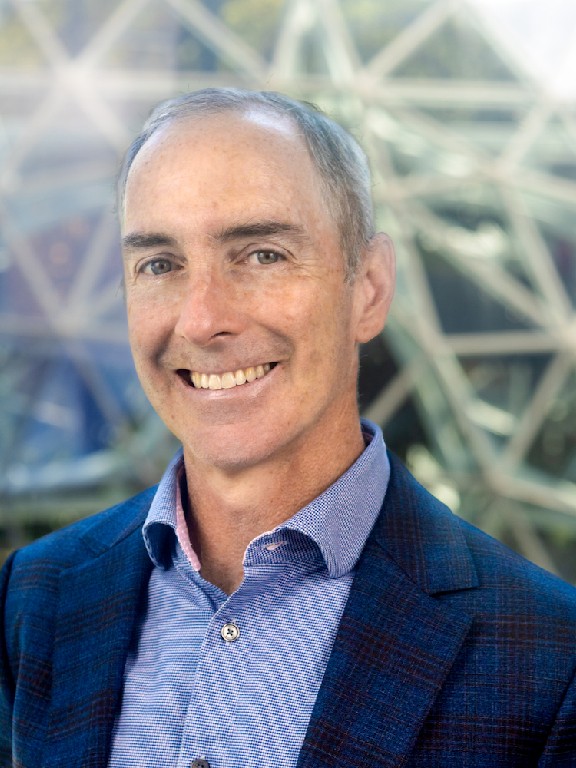
Mike Miller
Mike Miller es director de gestión de producto de IA en AWS, donde asesora sobre iniciativas clave de IA generativa, incluidas capacidades de razonamiento automatizado para evitar alucinaciones, Amazon Q y Amazon Bedrock. Llevó PartyRock, un entorno sin código para crear aplicaciones de IA generativa, al público después de que una versión interna se volviera viral entre empleados de Amazon. Anteriormente, Mike dirigió el equipo de liderazgo de pensamiento de machine learning de AWS, donde lanzó AWS DeepLens, AWS DeepRacer y AWS DeepComposer para acercar el machine learning práctico a desarrolladores de todo el mundo de formas atractivas y dinámicas. Mike lleva más de 13 años en Amazon y anteriormente lideró la gestión de producto de Fire TV en Lab126 antes de incorporarse a AWS.

Rahul Kumar
Dr. Rahul Kumar es gerente sénior de ciencias aplicadas en AWS, donde lidera iniciativas para crear tecnologías de verificación para programas en Rust y C e impulsar la IA neurosimbólica que combina modelos de lenguaje de gran tamaño con razonamiento automatizado. En AWS, Rahul impulsa iniciativas de código abierto, incluido el verificador de modelos Kani y el reto “Verify the Safety of the Rust Standard Library”. Obtuvo un doctorado en Brigham Young University y anteriormente trabajó en verificación formal y análisis estático en Microsoft Research y NASA JPL, además de desempeñarse como profesor en Caltech. Es un firme defensor de acercar el razonamiento automatizado a públicos más amplios y participa en conferencias sobre cómo las técnicas de demostración matemática pueden eliminar las alucinaciones de la IA y garantizar la corrección del software. Reside en Seattle, Washington.

Stefano Buliani
Stefano Buliani es gerente principal de producto en el grupo de razonamiento automatizado de AWS, donde lidera el esfuerzo para incorporar capacidades de verificación formal a la IA generativa mediante Barreras de protección de Amazon Bedrock. Ingeniero de software de formación, Stefano lleva más de 12 años en AWS y ha trabajado como arquitecto de soluciones especializado y gerente de producto en los equipos de tecnologías sin servidor y razonamiento automatizado. En un cargo anterior, ayudó a clientes a crear y escalar aplicaciones sin servidor en AWS Lambda y Amazon API Gateway. Fuera del trabajo, Stefano disfruta explorando espacios al aire libre en el noroeste del Pacífico. Reside en Vancouver, Canadá.
¿Qué le pareció este contenido?