Bagaimana konten ini?
- Pelajari
- Cara Parsyl membantu membangun rantai pasokan yang lebih tangguh menggunakan bantuan AI di AWS
Cara Parsyl membantu membangun rantai pasokan yang lebih tangguh menggunakan bantuan AI di AWS
Parsyl melindungi rantai pasokan yang sangat penting dunia. Didirikan pada tahun 2017, bisnis ini menyediakan asuransi untuk barang-barang penting, mulai dari obat-obatan dan makanan hingga semikonduktor dan panel surya. Perusahaan ini mengoperasikan sindikat berbasis AI dan misi pertama di Lloyd's of London, pasar asuransi terbesar di dunia untuk risiko yang kompleks.

Ketika perusahaan rintisan berkembang dari teknologi rantai pasokan menjadi asuransi khusus, Parsyl melihat peluang untuk memikirkan kembali cara risiko dinilai dan dikelola. Dengan menggabungkan data rantai pasokan eksklusif, AI generatif, dan layanan AWS termasuk Amazon Bedrock, Amazon SageMaker, dan banyak lagi, Parsyl berhasil menyederhanakan proses underwriting dan analitik risiko secara signifikan.
Dengan memangkas waktu penyusunan penawaran dari hitungan minggu menjadi hanya beberapa jam, Parsyl membantu underwriter memberikan penawaran harga yang cepat dan disesuaikan, didukung wawasan risiko yang terus diperbarui untuk mengurangi kemungkinan terjadinya kerugian. Kini, perusahaan memanfaatkan AI untuk mentransformasi asuransi khusus, mulai dari underwriting hingga penyelesaian klaim, guna membantu bisnis membangun rantai pasokan global yang lebih tangguh.
Jalan menuju inovasi asuransi
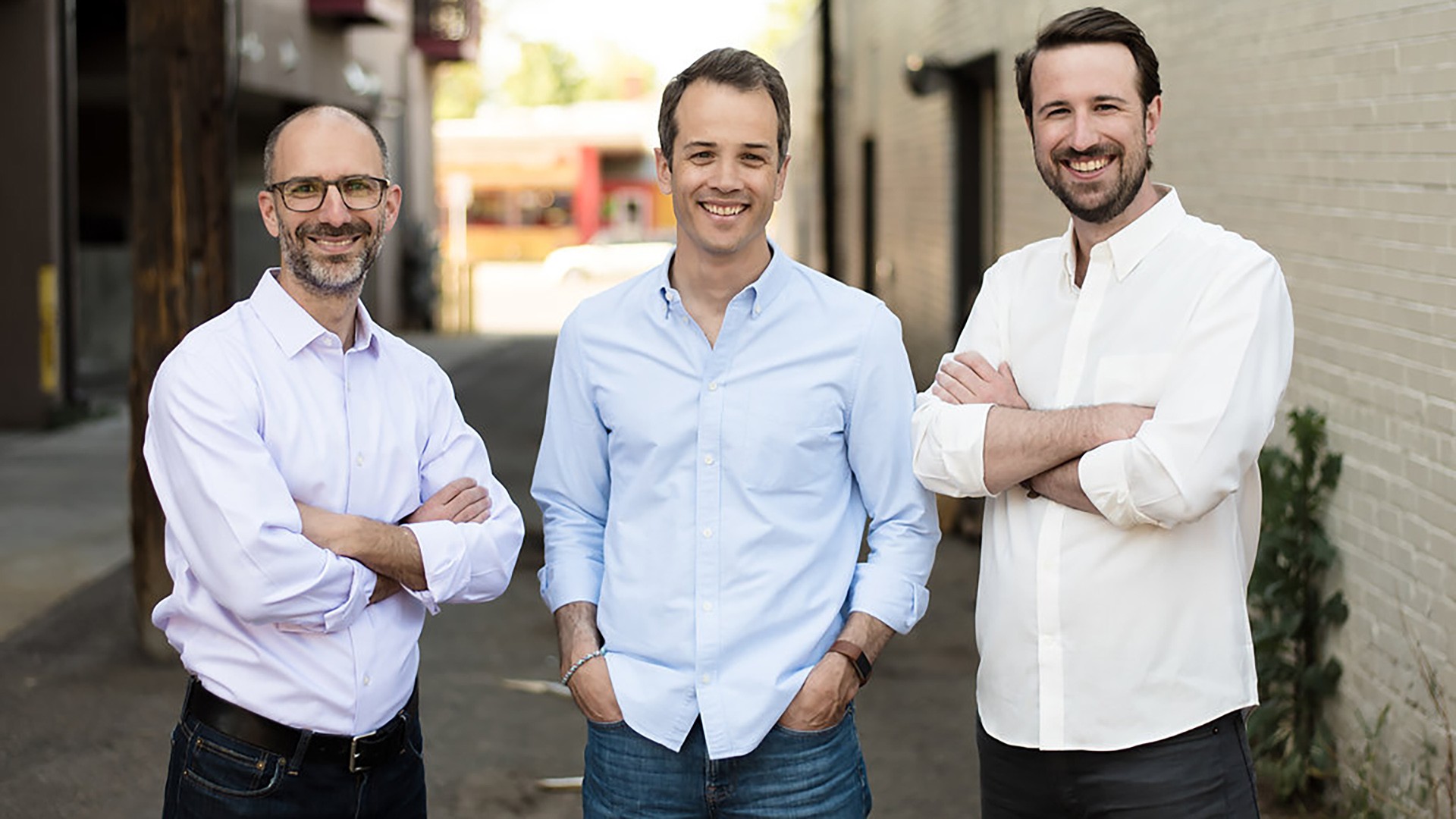
Parsyl tidak memulai perjalanannya sebagai perusahaan asuransi. Pendiri perusahaan, Mike Linton, Ben Hubbard, dan Alex Haar, malah memiliki latar belakang di bidang teknologi rantai pasokan dan pembangunan global. Disatukan oleh minat bersama dalam memecahkan tantangan di dunia nyata, pendiri Parsyl awalnya berfokus pada pengiriman vaksin dan rantai pasokan kesehatan global.
Parsyl memulai dengan membangun teknologi Internet untuk Segala (IoT) untuk memantau vaksin dan barang sensitif lainnya selama didistribusikan melalui rantai pasokan. Teknologi ini membantu pelanggan mengidentifikasi titik terjadinya kerusakan produk dan mengungkap penyebab gangguan tersebut. Sejak awal, misinya jelas: memastikan obat-obatan penting sampai kepada mereka yang membutuhkannya.
Dalam mengatasi tantangan ini, para pendiri menemukan peluang untuk memberikan dampak yang lebih besar. Linton, salah satu pendiri dan CTO Parsyl, menjelaskan, "Ketika kami melakukan deployment pada teknologi di berbagai pasar, kami terus mendengar hal yang sama dari pelanggan: 'Solusi ini sangat bagus, tetapi Anda sebaiknya berbicara dengan perusahaan asuransi kami.' Mereka melihat bahwa perusahaan asuransi dapat memanfaatkan data yang terperinci ini untuk lebih memahami rantai pasok. Dari situlah perjalanan kami di bidang asuransi spesialis dimulai."
Meskipun data membantu mereka mengidentifikasi masalah, asuransi dapat memberikan dorongan untuk menyelesaikannya. Hal ini membawa Parsyl ke Lloyd’s of London, yang menjadi pusat beroperasinya sebagian besar pasar asuransi khusus global. Setelah bekerja sama dengan Lloyd’s untuk mengembangkan solusi asuransi bagi distribusi vaksin COVID-19, Parsyl mulai memperluas cakupannya ke asuransi kargo dan rantai pasokan.
Mentransformasi asuransi rantai pasokan
Namun, saat memasuki pasar asuransi, Parsyl menemukan tantangan yang signifikan. Proses underwriting asuransi kargo masih sangat bergantung pada proses manual sehingga pelanggan harus menyerahkan sejumlah besar informasi yang dapat memerlukan waktu berminggu-minggu untuk ditinjau dan menghasilkan penawaran asuransi.
Dan kecepatan hanyalah salah satu bagian dari masalah tersebut. Penjaminan tradisional masih bergantung pada kategori risiko yang bersifat umum dan luas, dengan mengelompokkan bisnis berdasarkan wilayah geografis atau jenis komoditas, alih-alih menggambarkan bagaimana bisnis tersebut sebenarnya beroperasi. Misalnya, eksportir buah di Amerika Selatan dapat menerima hasil penilaian yang sama dengan bisnis serupa lainnya, meskipun mereka menggunakan rute perdagangan, pola musiman komoditas, mitra pengiriman, atau proses manajemen yang berbeda. Bagi Parsyl, hal ini merupakan peluang yang belum dimanfaatkan. “Alih-alih hanya menilai pelanggan sebagai “pengirim buah dari Amerika Selatan”, kami ingin memahami bisnis mereka pada tingkat yang jauh lebih terperinci. Misalnya, mereka mungkin menghindari transshipment atau berinvestasi besar dalam manajemen risiko. Upaya-upaya tersebut seharusnya diperhitungkan dalam penilaian mereka,” jelas Linton. “Dan jika pelanggan pernah mengalami kerugian, kami dapat bekerja sama dengan mereka untuk memahami penyebab kerugian tersebut serta memberikan wawasan agar mereka dapat terus meningkatkan pengelolaan risikonya dari waktu ke waktu.”
Dengan menggabungkan keahlian di bidang asuransi dengan data rantai pasokan terperinci, Parsyl melihat peluang untuk memberikan harga yang disesuaikan, keputusan proses underwriting yang lebih cepat, dan wawasan praktis yang akan membantu pelanggan mengurangi klaim dan kerugian dari waktu ke waktu. Tantangan berikutnya adalah membangun platform teknologi yang dapat mewujudkan visi tersebut.
Membangun perusahaan asuransi yang mengutamakan teknologi bersama AWS
Parsyl membutuhkan platform teknologi yang dapat memproses volume data yang besar, mendukung alur kerja asuransi yang kompleks serta dapat diskalakan seiring ekspansi bisnis ke bidang-bidang baru. AWS telah mendukung platform IoT Parsyl sebelumnya sehingga menjadi fondasi yang tepat saat perusahaan bertransformasi ke bisnis asuransi.
Berawal dari model harga AWS yang ramah bagi perusahaan rintisan, Parsyl memperluas penggunaan AWS untuk membangun tumpukan teknologi eksklusif, yang mencakup proses underwriting, administrasi polis, dan manajemen klaim. Saat ini, perusahaan kami mengandalkan berbagai layanan AWS, seperti Amazon Relational Database Service (Amazon RDS) untuk penyimpanan data relasional inti, AWS Lambda untuk pemrosesan nirserver, dan Amazon Simple Storage Service (Amazon S3) untuk penyimpanan.
Pada tahun 2023, tim mulai mengeksplorasi AI generatif untuk mengotomatiskan alur kerja underwriting dan mengurangi upaya manual dalam memproses pengajuan pelanggan. Amazon Bedrock memainkan peran kunci dalam transformasi ini dengan menyediakan akses ke berbagai model fondasi melalui satu layanan terkelola. “Fleksibilitas tersebut sangat penting bagi kami, dan hingga saat ini tetap menjadi hal yang penting karena, seperti yang kita ketahui, industri ini berubah dengan cepat,” kata Linton. “Menjalankan model dalam serangkaian infrastruktur yang sudah kami kenal dan percayai merupakan hal yang sangat penting bagi kami.”
Dengan model Bedrock dan Anthropic Claude, Parsyl membangun Chauncey, agen underwriting bertenaga AI. Chauncey mengotomatiskan berbagai tugas underwriting manual, termasuk penerimaan pengajuan, pengelolaan dokumen, dan pemeriksaan daftar sanksi. Data tersebut kemudian dimuat ke dalam underwriting workbench Parsyl untuk ditinjau oleh underwriter sebelum keputusan akhir. Selain itu, Chauncey juga mengambil data risiko katastropik dan bekerja sama dengan mesin penetapan harga milik Parsyl untuk menghasilkan penawaran harga bagi pelanggan.
Parsyl juga menggunakan Amazon SageMaker untuk mengembangkan penilaian risiko yang lebih cepat dan lebih disesuaikan untuk pelanggan. “Kami membangun model machine learning kami sendiri untuk komoditas tertentu,” jelas Linton. “Jadi, ketika kami menerima risiko yang terkait dengan komoditas buah, kami menggunakan model milik kami sendiri untuk memprediksi besarnya kerugian yang diperkirakan akan timbul dari risiko tersebut. Kami menggunakan SageMaker untuk mengembangkan dan menjalankan model-model tersebut.”
Tidak seperti banyak perusahaan asuransi yang mengandalkan vendor pihak ketiga dan sistem warisan, Parsyl membangun sebagian besar teknologinya sendiri. “Kami membangun sebagian besar teknologi kami sendiri karena kami percaya itulah satu-satunya cara untuk mencapai tingkat inovasi yang dibutuhkan industri kami,” kata Linton. “AWS adalah bagian penting dari strategi itu. Alih-alih membangun infrastruktur dari awal, kami dapat memanfaatkan layanan AWS dan kemampuan terkelola untuk menghadirkan fungsionalitas baru ke lingkungan produksi dengan sangat cepat."
Mendefinisikan Ulang Cara Mengelola Risiko
Hasil yang dicapai menunjukkan dampak besar bagi Parsyl dan pelanggannya. Perusahaan rintisan ini dapat memproses pengajuan asuransi dalam 8 menit dan telah memangkas waktu dari pengajuan hingga penerbitan penawaran lebih dari 75 persen. Pelanggan menerima penawaran yang disesuaikan dengan kebutuhan mereka dengan lebih cepat, sementara underwriter dapat meluangkan lebih banyak waktu untuk memahami kebutuhan dan operasional klien guna memberikan nilai yang lebih besar. Linton menjelaskan, “Kecepatan adalah hal pertama yang diperhatikan pelanggan. Namun, manfaat yang lebih besar adalah bahwa underwriter kami dapat meluangkan lebih banyak waktu bersama klien dan memahami dengan lebih baik cara bisnis mereka beroperasi.”
Dengan mengotomatiskan lebih dari 80 tugas administratif yang selama ini terkait dengan proses underwriting, Parsyl memungkinkan timnya untuk tidak lagi terlalu berfokus pada proses manual dan lebih berfokus pada interaksi dengan pelanggan, konsultasi, serta pertumbuhan bisnis. Berbekal data operasional yang lebih lengkap dan pemahaman yang lebih mendalam tentang cara pelanggan menjalankan bisnisnya, underwriter dapat menilai eksposur risiko dengan lebih akurat, mengidentifikasi praktik manajemen risiko yang mungkin tidak terlihat dalam proses underwriting tradisional, serta menawarkan penetapan harga yang lebih disesuaikan.
Alih-alih mengandalkan perpanjangan polis secara berkala, Parsyl memberikan gambaran berkelanjutan tentang kondisi risiko selama masa berlaku polis. Hal ini membantu underwriter dan pelanggan mengidentifikasi potensi masalah sejak dini serta mengambil tindakan sebelum masalah tersebut menyebabkan klaim tambahan.
Hasilnya adalah pendekatan yang lebih kolaboratif untuk manajemen risiko, di mana perusahaan asuransi dan pelanggan berbagi insentif bersama untuk mengurangi kerugian, meningkatkan ketahanan secara keseluruhan, dan memungkinkan hasil yang lebih baik di seluruh rantai pasokan.
Kini, Parsyl memperluas cakupan untuk mengatasi berbagai risiko khusus yang lebih luas di seluruh dunia. Untuk mendukung lini bisnis baru ini serta sumber data risiko yang makin beragam, perusahaan terus meningkatkan skala platformnya di AWS dan memperluas penggunaan AI. Upaya ini mencakup eksplorasi kemampuan baru di Bedrock, seperti agen terkelola, untuk mempercepat pengembangan alur kerja berbasis AI untuk administrasi polis dan proses klaim.
Ke depannya, Parsyl melihat peluang untuk melakukan lebih dari sekadar meningkatkan layanan asuransi khusus. "Kami memiliki kesempatan untuk memengaruhi cara rantai pasokan dunia beroperasi,” kata Linton. “Ketika risiko menjadi lebih terlihat, pelanggan memiliki alasan untuk mengubah cara mereka beroperasi dan akhirnya membangun rantai pasokan yang lebih tangguh. Itulah yang sedang kami upayakan."
Bagaimana konten ini?